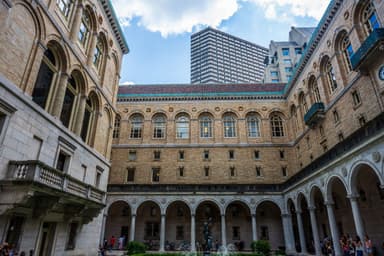
Wu moves to ease housing rules
Mayor Michelle Wu announced plans to roll back parts of her affordable housing policy to encourage new construction across the city.

Mayor Michelle Wu announced a series of targeted zoning changes designed to spur residential construction across the city. The proposal modifies strict affordability requirements that developers must currently meet when building new apartment complexes. City officials hope the adjustment will revive building projects that stalled under high interest rates, labor shortages, and soaring construction costs.
The shift comes after months of local data showing a troubling slowdown in new housing permits and construction starts. Under the updated framework, the city aims to balance the urgent need for low-income apartments with the economic realities facing private developers. Housing advocates and real estate groups have long pushed for adjustments, arguing that rigid inclusionary development mandates inadvertently slowed down the creation of much-needed supply across Greater Boston.
The proposal modifies strict affordability requirements that developers must currently meet when building new apartment complexes.
Industry voices, however, remain divided on whether these targeted policy rollbacks will generate enough housing to make a substantial dent in the ongoing regional crunch. Some housing analysts contend that the changes are too modest to radically shift market dynamics or bring down skyrocketing rents. Nevertheless, municipal leaders maintain that providing flexibility is a necessary step to encourage private investment in a stagnant market.
This municipal push follows previous conversations where Boston proposes easing housing rules to combat stubbornly high housing costs. Real estate experts point out that while the policy adjustment might convince developers to break ground on stalled properties, the overall impact on housing inventory will take months or even years to materialize for everyday residents.
City councillors are expected to review the proposed zoning amendments during upcoming committee sessions. Public hearings will follow to allow residents, neighborhood associations, and developers to weigh in on the changes before any final votes take place.
Questions readers ask
Why is the city changing its affordable housing policy?
The city aims to revive building projects that have stalled due to high interest rates, labor shortages, and rising construction costs.
What happens next regarding these zoning changes?
City councillors will review the proposed amendments during upcoming committee sessions, followed by public hearings for residents and developers to weigh in.
Quick quiz
Question 1 of 3More Boston News
Boston votes to end parking minimums for housing
The Boston City Council voted to eliminate off-street parking requirements for new housing developments to lower construction costs.
- by Megan Doyle


Boston completes 28 million cummins highway project
Mayor Michelle Wu announced the completion of the $28 million Cummins Highway reconstruction project in Mattapan to improve safety.
- by Megan Doyle

Red Sox introduce new slugger Jake Bauers at Fenway
The Boston Red Sox officially introduced first baseman Jake Bauers on Tuesday following a four-year, $58 million contract agreement.

Megan DoyleCity hall reporter
Megan covers Boston City Hall, the MBTA and housing for NewMedia Boston.
Share this article
Recent News


Trending Boston Videos
All videos CELTICS at 76ERS | FULL GAME HIGHLIGHTS | November 10, 2026NBA
 MAVERICKS at CELTICS | FULL GAME HIGHLIGHTS | November 15, 2026NBA
 Doctor identified as gunman behind deadly DC rampage, police sayABC News
 24-year-old dies after collapsing during the New York City MarathonCNNAll videos